Published on April 15, 2026
Combitrack Is Breeding Dutch Shrimp in Vietnam
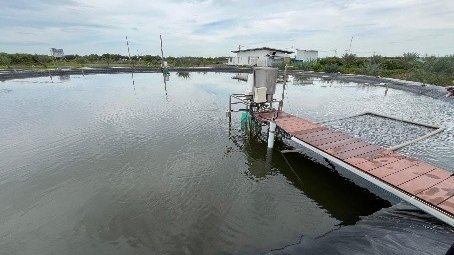
With Vietnam’s growing need for high-quality breeding shrimp, Hendrix Genetics saw an opportunity to make a meaningful contribution. At the same time, the company is also committed to supporting local farmers. Through the Aquaculture Vietnam Combitrack, Hendrix Genetics collaborates with partners to improve shrimp health and secure predictable yields. As R&D manager Naomi Duijvesteijn explains: “Delivering a breeding product that really works locally is what matters to us.”
Vietnam is the world’s third-largest shrimp exporter, yet many local farmers continue to face challenges. Shrimp often fall ill, and yields can fluctuate significantly. Hendrix Genetics has the technology to help change this. “We provide shrimp that are more resistant to disease, grow faster, and reproduce more efficiently,” says Duijvesteijn. “This helps farmers improve quality. Production becomes more stable because fewer shrimp die. In this way, we contribute to food security.”
Strong Shrimp Genetics for a Growing Market
Hendrix Genetics breeds its broodstock in Hawaii. “With every generation, we improve our broodstock,” Duijvesteijn continues. “But you only truly know whether genetics work in practice by testing them locally. Shrimp must also be suited to local farming conditions.”
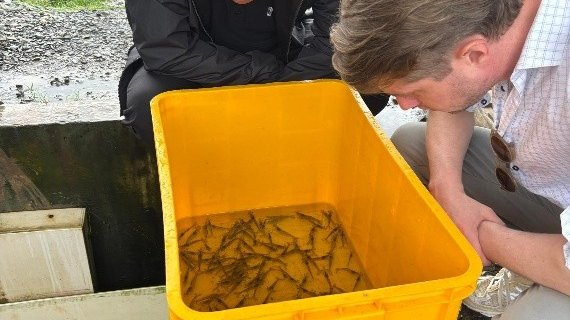
Until recently, Hendrix Genetics lacked this practical experience in Vietnam. The company was already supplying high quality broodstock there, but something was missing. “We just didn’t know exactly which lines performed best in local ponds. As a result, our advice to customers was less targeted,” explains Duijvesteijn. Thanks to the Combitrack Aquaculture Vietnam initiative, this has now changed: the partnership enables Hendrix Genetics to run its own tests in Vietnam.

We can now tailor our genetics much more effectively to Vietnamese practices.
Conducting Practical Tests With a Local Partner
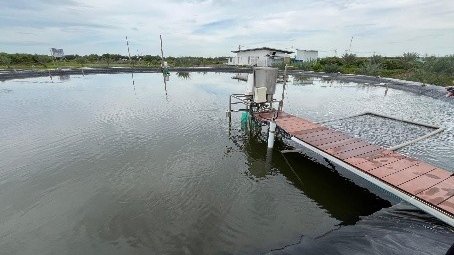
Through the Combitrack network, Hendrix Genetics connected with local partner Rynan Smart Aquaculture. “We’re testing different shrimp lines in their ponds,” says Duijvesteijn. “Rynan has the technical expertise required for this. We measure shrimp weight, survival rates, and feed requirements. This helps us identify which shrimp truly thrive in Vietnamese ponds.”
“This is a major step for us,” she adds. “The knowledge we gain benefits both our company and our customers.”
Combitrack Brings Partners and Expertise Together
Strong breeding lines are essential, but knowing how to use them for the best results is equally important. Many Vietnamese farmers still need support in this area.
Here too, Combitrack plays an important role: it brings together various partners and areas of expertise. Alongside Rynan, Hendrix Genetics collaborates with consulting firm Larive International and the Dutch company Lugten Aquacultuur BV. The three organizations have been working together within Combitrack for some time, as part of the ShrimpTech Vietnam impact cluster. Together, they launched the AquaGene project, which focuses on improved genetics and breeding techniques.
“We provide the genetics while our partners deliver training on topics such as feed, water quality, farm management, and disease prevention,” Duijvesteijn explains.
Demonstration farms and training sessions help make this knowledge practical and accessible. “That works better than simply handing out a brochure,” she notes. “Vietnamese farmers can see for themselves what works and ask questions on the spot.”
Local Knowledge as the Foundation for Sustainable Growth
Sharing knowledge improves farming practices and increases yields. “Our local partners understand the market and the production systems. They know exactly what farmers need,” says Duijvesteijn. “This benefits both farmers and the companies involved: farmers earn more, and we build a sustainable, long‑term relationship with the market.”
What is the Aquaculture Combitrack in the Mekong Delta?
Massimo Lindeman, Private Sector Development (PSD) coach at RVO, explains the purpose of the Aquaculture Vietnam Combitrack.
Working Together on Innovations
“The Combitrack is a multi‑year collaboration between Dutch and Vietnamese partners. The goal is to strengthen the shrimp and fish farming sector in the Mekong Delta. Companies work together on environmentally friendly and economically viable solutions, introducing innovations across the entire supply chain — for example in farming systems, water management, and feed. They use probiotics and fish vaccines to reduce disease, and they apply data‑driven approaches to manage production more effectively. They are also developing and improving feed for fish and shrimp. Step by step, they are strengthening the entire supply chain.
These innovations make the sector more sustainable, more socially responsible, and economically stronger. Examples include:
- Using mangroves to naturally filter water
- Improved shrimp genetics (with support from Hendrix Genetics)
- Reduced use of antibiotics
- More attention to animal welfare
- Lower production costs”
Digitalization
“There is also a strong focus on digitalization, such as applying artificial intelligence (AI) on farms. This enables companies to detect diseases earlier and optimize production. They can also digitally track the shrimp’s lifecycle and supply chain, allowing buyers to see where products come from and how sustainable they are. This helps farmers sell their sustainable products on the European market.”
Benefits for Dutch Entrepreneurs
“Through Combitrack, companies can find local partners, collaborate on projects, and test new technologies. They also gain access to the Vietnamese market, working within an existing network supported by extensive local knowledge. RVO supports this and sometimes provides financial assistance. At the same time, we help ensure that both local farmers and partners benefit. It’s a clear win‑win situation!”
Combitrack Accelerates Business and Impact
The Combitrack also accelerates business development and knowledge sharing. “We were able to bring partners together and implement our plans more quickly. Without RVO and the international network, this would have been much more difficult,” explains Duijvesteijn.
In the long term, Hendrix Genetics aims to establish a local breeding center. This would allow the company to ship young shrimp from its hatchery in Hawaii instead of adult shrimp, after which a local partner would raise them further. “That means less transport, a smaller carbon footprint, and greater value creation for the local economy. We already operate this way in India and Indonesia.”
Opportunities Within Vietnam’s Aquaculture Sector
According to Duijvesteijn, Vietnam can distinguish itself through innovations in quality. She also sees potential in more sustainable production systems, for example by integrating shellfish, seaweed, or mangroves. These approaches can improve water quality and benefit the environment. There are also opportunities in premium markets, particularly for products that are demonstrably sustainable and traceable, such as certified shrimp.
Tips for Entrepreneurs Looking to Do Business in Emerging Markets
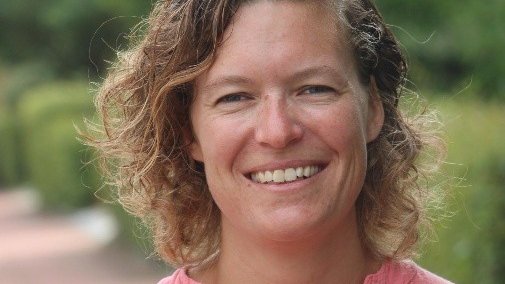
For entrepreneurs interested in similar projects, Naomi Duijvesteijn offers the following advice:
- Find a strong local partner and invest in a long-term relationship.
- Every business operates differently, so choose a partner that truly aligns with your approach.
- Don’t be discouraged by administrative hurdles or cultural differences. A reliable local partner can help navigate these, enabling you to focus on what you do best.
Article from March 9, 2026, translated into English and retrieved with permission from RVO.