
A Step Towards Greener Protection in Chile
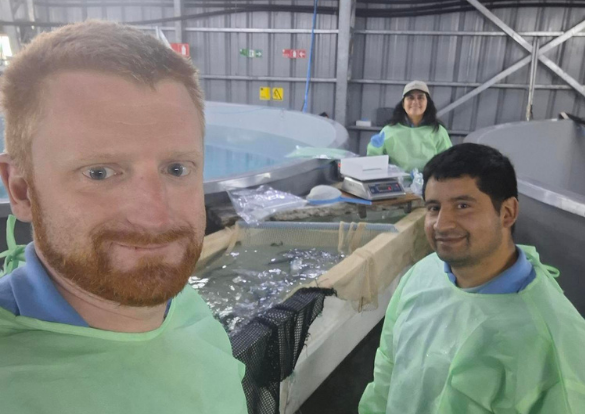
At our fish farm in Catripulli, Chile, sustainability is about continuously looking for better ways to reduce environmental impact, including in the everyday materials used across our operations. One recent initiative focuses on exploring biodegradable alternatives for personal protective equipment (PPE), including gloves, masks, caps, shoe covers, and protective gowns.
The project reflects a simple but important question: how can we maintain the highest standards of biosecurity and employee protection while reducing waste?
Rethinking Everyday Materials
Personal protective equipment plays an essential role in maintaining animal health, biosecurity, and workplace safety. However, traditional PPE is often made from materials that can remain in landfills for decades, contributing to long-term waste accumulation.
Biodegradable alternatives offer a promising solution. Designed to break down more quickly under the right conditions, these materials have the potential to reduce the environmental footprint associated with single-use protective equipment.
Testing Sustainable Alternatives
The Catripulli team has begun evaluating several biodegradable PPE options to assess both their environmental benefits and their practical performance.
Initial results have been encouraging. The biodegradable gloves have performed as effectively as conventional alternatives, while further testing is underway to better understand how the materials break down over time. Early trials with biodegradable gowns revealed durability challenges, but work is already underway with suppliers to identify improved solutions that meet both sustainability and operational requirements.
This process highlights the importance of balancing environmental ambitions with the reliability needed for day-to-day operations.
Why It Matters
At the Catripulli facility alone, approximately 120,000 nitrile gloves and 12,000 protective gowns are used every year, alongside thousands of hair nets and shoe covers.
Finding more sustainable alternatives could significantly reduce the volume of long-lasting waste generated by these materials. While the project is still in its evaluation phase, it demonstrates how even routine operational items can become opportunities for environmental improvement.
Progress Through Curiosity and Commitment
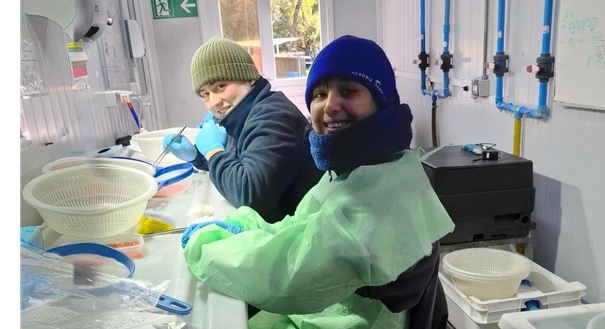
Innovation often starts with a willingness to question existing practices and explore new possibilities. The biodegradable PPE initiative is one example of how teams across Hendrix Genetics are seeking practical ways to reduce environmental impact while maintaining the high standards required in animal breeding and aquaculture.
As testing continues, the team remains committed to identifying solutions that are both effective and sustainable, helping contribute to a more responsible future for our industry.
Naomi Duijvesteijn - Global Sustainability Director
Stephen Tapping - Breeding Program Manager, Salmonids